
Water Independence at the Lake: Smarter, Safer, Cleaner
Step onto the dock and imagine every faucet flowing without a grid connection. Today we explore off‑grid water sourcing and purification for lakefront homes, uniting shoreline wisdom, practical engineering, and resilient design. You will learn how to capture rain, draw safely from shifting shallows, and polish every drop with proven treatment steps. We share stories, testing routines, and maintenance rituals so you confidently hydrate family and friends. Subscribe, ask questions, and help shape future guides with your lived lakeside insights.
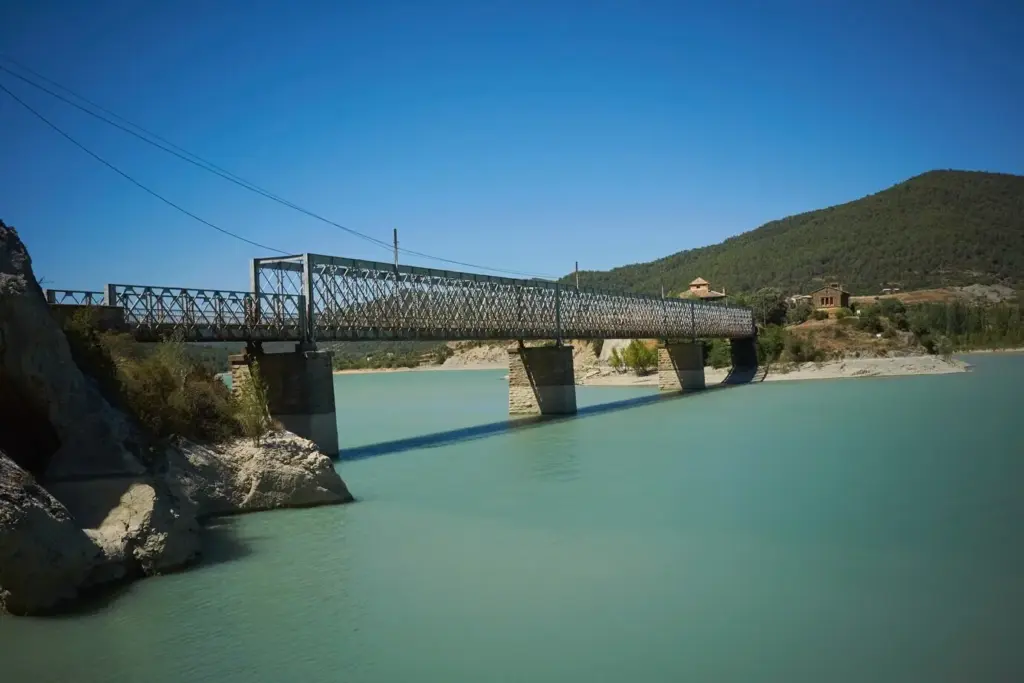

Reading the Water: Lake Ecology and Risks
Before plumbing and pumps, learn to read the lake like a seasoned paddler. Stratification, turnover, runoff, and nearby land use shape turbidity, nutrients, and pathogens, shifting day to day. Understanding these rhythms guides intake placement, filtration choices, and testing cadence. We translate dockside observations into practical decisions, blending simple tools like Secchi depth checks with neighbor conversations. Share what you notice after storms or heat waves, and compare notes with readers facing similar seasonal swings.
Designing a Lake Intake that Respects the Shore
Keep the footprint gentle and the water clean. A floating or suspended screened intake set below sun‑lit scum yet above bottom muck limits sediment and biofouling. Quick‑disconnect unions make seasonal removal painless. Consider mussel‑resistant materials, ice‑ready flexibility, and a modest settling canister before the pump. If waves kick up, a weighted hose that moves with the surface can stay in clearer strata. Mark everything visibly for swimmers and boaters, and photograph layouts for future repairs.
Rainwater Harvesting that Loves Storm Clouds
Metal roofing, clean gutters, leaf screens, and reliable first‑flush diverters deliver remarkably clear rain into dark, cool cisterns. Size storage from your roof area and seasonal rainfall, then add a simple pre‑filter, carbon polishing, and robust disinfection for drinking. Rain is naturally soft, protecting kettles and heaters from scale. During blooms or floods, switch to rain as a primary feed while the lake settles. Keep mosquito‑tight vents and overflow screens, and test after long dry spells.
From Raw to Remarkable: Building Your Treatment Train
Great water arrives through stages that cooperate, not a single magical gadget. Start with screening and settling, then step through coarse to fine cartridges, taste‑improving carbon, and dependable disinfection. For sensitive palates or specific contaminants, add softening or point‑of‑use reverse osmosis. Design for serviceability: gauges before and after filters, bypasses for maintenance, unions everywhere, and a drain you actually use. Size for realistic flow rates, not wishful thinking, to preserve contact time and performance year‑round.

Taming Turbidity Before It Reaches the Filters
Spin‑down separators and settling barrels collect grit while using almost no energy. Stage cartridges thoughtfully—perhaps 50, 20, 5, then 1 micron—to spread the workload, monitoring pressure drop to know precisely when to swap. Keep housings insulated and drainable for winterizing. After dramatic storms, add a pinch of food‑grade coagulant to a settling tank if permitted, letting fines clump and fall. The cleaner the feed, the happier your ultraviolet unit, carbon blocks, and weekend guests.

Choosing Disinfection with Eyes Wide Open
Ultraviolet excels on clear water with proper UV transmittance and sleeve cleanliness, delivering rapid inactivation without taste changes. Chlorination offers a protective residual through storage and plumbing but demands dosing discipline and patience with flavor. Ozone treats quickly yet requires careful venting. Many lakeside homes combine methods for redundancy. Protect every approach with stable power, alarms, and routine performance checks. If sediment suddenly rises, pause UV reliance, polish first, then resume, prioritizing safety over convenience every time.
Power, Pressure, and Peace of Mind
Off‑grid water loves dependable energy. Match solar, batteries, and pumps to realistic daily draws, including guests, laundry, and showers after swims. Favor efficient, repairable components and short wire runs. Consider daylight pumping into an elevated cistern, then gravity or a modest pressure tank smooths delivery at night. Keep generator backup for deep winter or long storms. Enclose pumps against freeze and noise, ventilate electronics, and add surge protection. Clear schematics help family troubleshoot confidently when you are away.
Winter, Storms, and the Unexpected
Cold snaps, surge tides, and sudden blooms test every lakeside system. Build for graceful failure, not heroics. Bury lines below frost, insulate pump houses, and design drain‑back loops for hasty departures. Keep spare cartridges, O‑rings, UV lamps, and sanitizing solution in a labeled kit. When turbidity explodes, switch to rainwater or stored reserves calmly. Practice recovery drills so family members can winterize or restart without you. Share your hard‑won tips, and learn from others’ storm diaries.
Health First: Safety Checks and Local Rules
Protecting people comes before plumbing pride. Plan a testing routine that matches your sources: frequent coliform checks during swim season, periodic nitrates and metals, and targeted analyses after nearby construction or bloom alerts. Record results with dates, actions, and service notes. Understand local regulations for intakes, cisterns, setbacks from septic, and shoreline work windows. When in doubt, ask officials early. Share your lab experiences, favorite sampling kits, and the small rituals that keep every glass reassuringly uneventful.

A Quiet Cabin that Drinks the Rain
Two weekenders restored a tiny cabin with a standing‑seam roof, 1,200‑gallon buried cistern, leaf screens, and first‑flush diverters. A daylight DC pump fills storage, a small pressure tank calms taps, and ultraviolet polishes after carbon. They track rainfall on a chalkboard and celebrate storm refills with pancakes. When a late‑summer bloom hit the cove, they simply closed a lake valve and enjoyed tea. Their takeaways: keep diagrams simple, label everything, and clean gutters before guests arrive.
A Busy Family that Trusts the Lake, Carefully
With school sports, grandparents, and spontaneous sleepovers, this home built redundancy. A floating screened intake feeds settling, staged cartridges, carbon, ultraviolet, and a point‑of‑use reverse osmosis tap in the kitchen. Solar powers pumps by day, while monitoring texts alerts about turbidity or tank levels. During a storm‑driven brownout, they switched to rain storage without drama, then resumed lake draws after clarity returned. Their lesson: invest in gauges and alarms early; they prevent problems and arguments.
Missteps, Fixes, and Your Turn to Advise
We have seen undersized filters collapsing under holiday loads, ultraviolet units starving behind cloudy cartridges, and uninsulated lines flashing to ice during a surprise cold snap. Each mistake became a better manifold, clearer labels, and kinder checklists. Now it is your turn: what went sideways on your dock, and what fix finally worked? Comment with photos, subscribe for deeper dives, and help shape upcoming guides exploring pumps, cistern materials, and testing kits that truly earn trust.